


Roofing and solar for Utah homes that want one accountable team.
From Salt Lake City to Provo and Ogden, we handle roof replacement, solar installation, commercial roofing, and insurance claims without the runaround.
Designed to read clearly on desktop first, with a stronger visual hierarchy, fewer competing motions, and trust actions visible before scroll.
Desktop hero focus
Solar Installation
Integrated solar solutions that work with the roof, not against it.

Solar roofing & solar panel installation
Utah averages over 300 sunny days per year, making it one of the best states in the country for rooftop energy production. Whether you are building a new home, replacing an aging roof, or adding panels to an existing system, Fullstack Roofing handles the roof side of the equation so your energy investment is built on a solid foundation.
- Roof + panel assessment with clear next steps
- New roof installation optimized for photovoltaic mounting
- Panel remove-and-reinstall for roof replacements
- Proper flashing, sealing, and penetration details
- Guidance on federal tax credits and Utah incentives
Photovoltaic panels last 25–30 years. Your roof needs to last at least that long underneath them. That is why we inspect every roof before installation—and recommend roof repairs or a full roof replacement when the existing system will not make it through the panel lifespan.

Energy Excellence
Anatomy of a High-Efficiency Solar System
We integrate solar with your roof using industry-leading mounting tech and leak-proof details. One system, one warranty, total peace of mind.
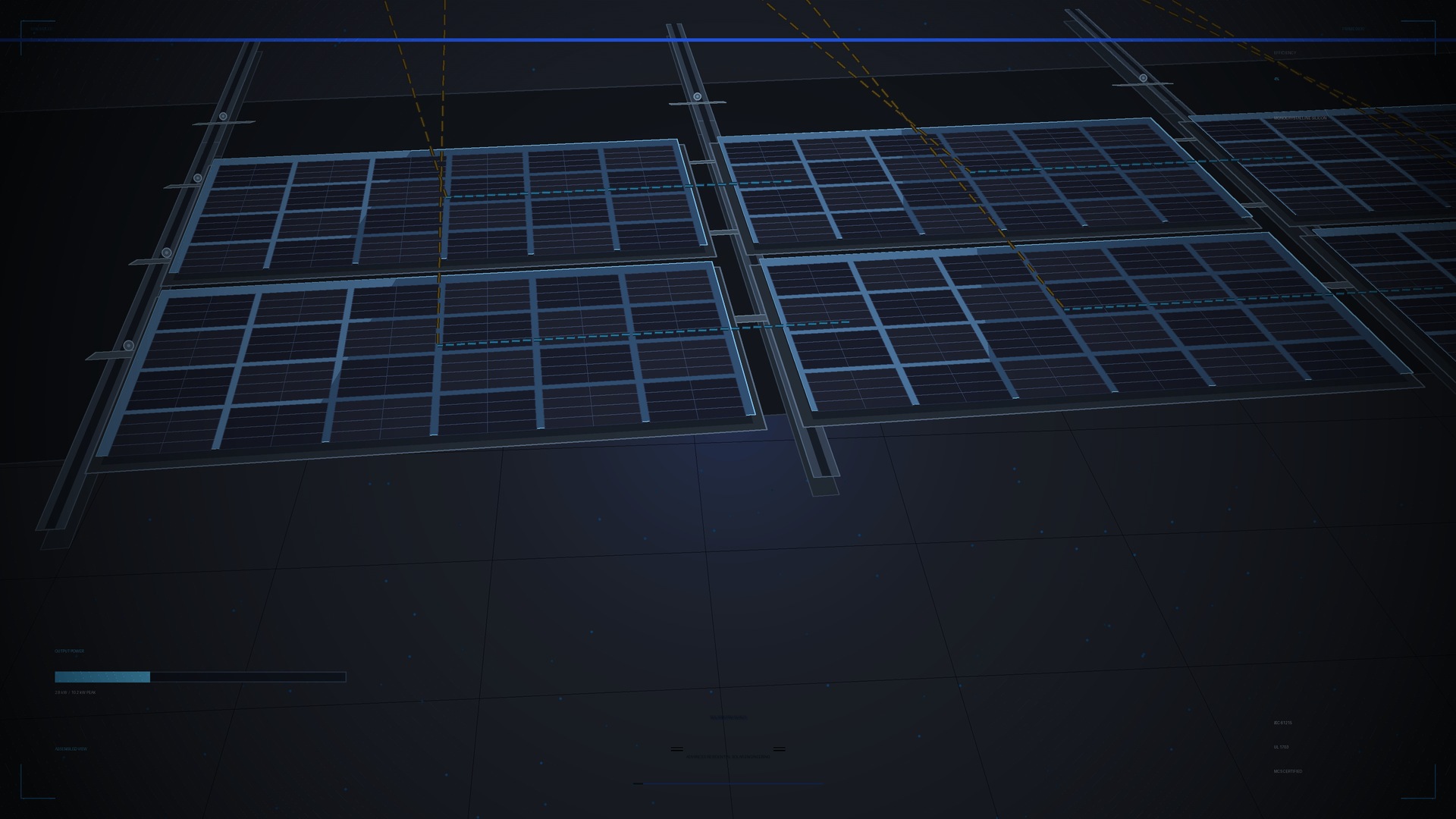
1. Photovoltaic Panels
High-efficiency monocrystalline panels that convert sunlight into clean DC electricity for your home.
2. Mounting Racks
Precision-engineered rail systems that secure panels to your roof with optimal tilt and ventilation.
3. Flashing & Sealing
Triple-sealed mounting points and specialized flashing ensure your roof remains 100% watertight.
4. Microinverters
Individual inverters for each panel that maximize energy harvest, even if one panel is in the shade.
5. Protected Conduit
Cleanly routed, weather-protected wiring that safely carries energy from your roof to your electrical panel.
6. Smart Monitoring
Real-time performance tracking via mobile app, allowing you to see exactly how much energy you are producing.
* We coordinate roof and energy systems for seamless performance and warranty protection.
Panel Integration Services
Roof Assessment
Inspect and prep your roof before panels are mounted
Mounting & Flashing
Leak-proof mounting details for every panel
Panel Installation
Professional installation with roof protection
Roof + Energy System
Coordinated roof and panel projects
Solar & roof planning in Utah
We provide roof-first solar services across the Wasatch Front and throughout Utah. Select your city below for local production facts, incentives, and scheduling details.
Solar & roof planning in Arizona
We also serve Phoenix, Scottsdale, and Tucson with the same roof-first solar approach: roof-readiness inspections, coordinated roof and panel planning, and clear scopes. If you're in one of these areas, use the city pages below for local details and FAQs.
Why panel systems make sense in Utah
Utah is consistently ranked among the top states for rooftop energy potential. High elevation means more intense sunlight, and the dry climate means fewer cloudy days blocking your panels. Combined with rising utility rates and strong federal incentives, panel systems are one of the best long-term investments a Utah homeowner can make.
Utah's climate is ideal for year-round energy production
The ITC can cover 30% of total installation cost
Most Utah homeowners recoup their investment within a decade
Roof types for panel installation
Not every roof is the same when it comes to panel mounting. The material, condition, and age of your roof all affect how panels are mounted and how long the system will perform. Here is how the most common Utah roof types work with rooftop energy systems.
Asphalt shingles + panels
The most common residential roofing material in Utah. Shingles work well with standard rail-mounted systems using lag bolts and flashing boots.
- Most affordable roof-and-panel combination
- Requires proper flashing at every penetration point
- Best when the roof has 15+ years of life remaining
Learn more about residential roofing options.
Standing seam metal + panels
The best roof type for panel mounting. Clamps attach to standing seam ribs with no roof penetrations needed—eliminating the biggest source of future leaks.
- Zero-penetration mounting with S-5 or similar clamps
- Metal roof lifespan matches or exceeds panel lifespan
- Premium option with highest long-term value
See our metal roofing services.
Flat roofs (TPO/EPDM) + racking
Commercial and low-slope residential roofs can support panel arrays with ballasted or mechanically attached racking systems.
- Ballasted systems avoid roof membrane penetrations
- Tilt-up racking optimizes panel angle on flat surfaces
- Common for commercial energy installations
Learn about TPO roofing and commercial roofing.
Integrated energy shingles & roof systems
Products like Tesla Solar Roof replace traditional roofing with energy-generating tiles for a clean, integrated look.
- Roof and energy generation combined into one system
- Low-profile appearance with no rack-mounted panels
- Higher upfront cost but clean aesthetic
Read our guide on best roofing materials for panels.
What affects rooftop energy system cost?
Costs in Utah vary based on roof condition, system size, and equipment choices. Understanding what drives the price helps you compare quotes and avoid surprises.
- System size (kW)—most homes need 6–12 kW to offset their electric bill
- Roof condition and whether roof work is needed before panel installation
- Panel type (standard monocrystalline vs premium energy shingles)
- Mounting complexity (roof pitch, obstructions, multiple roof planes)
- Inverter type (string vs microinverters) and battery storage options
- Permitting fees and utility interconnection costs (vary by city)
For a deeper breakdown, read our guide on panel system cost and ROI in Utah.
Compare specific roof + panel options
If you are evaluating specific systems, these pages break down the highest-interest options we discuss with Utah homeowners.
Our roof-first installation process
We inspect roof condition, age, ventilation, and structure. If the roof needs work before installation, we recommend repairs or replacement first.
We coordinate on system design, panel layout, mounting approach, and schedule so roof penetrations stay protected.
Roof work (if needed) is completed first. Then panels are installed with clean jobsite standards and proper flashing at every attachment point.
We verify all roof details, inspect mounting points, and ensure your system passes inspection. One point of contact for the entire project.
Panel remove & reinstall
Already have panels but need roof work done underneath? This is one of the most common related services we handle. Panels need to come off safely, the roof gets repaired or replaced, and then panels go back on—without voiding warranties or damaging equipment.
If you need to remove and reinstall solar panels for a new roof in Utah, we coordinate the full process: safe removal, roof replacement or repair, and reinstall with updated flashing and mounting so your system performs for years. Solar panel reinstall in Utah is a routine part of our roof-first approach—we handle it across the state so your panels and your new roof are both done right.
For scope details and scheduling guidance, visit our solar panel remove and reinstall service page.
When you need remove & reinstall
- Roof replacement under existing solar panels
- Storm damage repair requiring panel removal
- Roof leak repair at or near panel mounting points
- Re-roofing before panels reach end of life
How we handle it
- Coordinate with your solar company or our partners
- Safe panel removal and temporary storage
- Complete roof work with full access to the deck
- Reinstall panels with fresh flashing and hardware
Frequently asked questions
How much does a residential panel system cost in Utah?
Most Utah panel systems run from about $15,000 to $30,000 before incentives. Final cost depends on system size, roof condition, equipment choices, and whether roof work is needed first. We provide written estimates that cover the full scope.
Can you install panels if I need a new roof first?
Yes. In many cases, replacing an aging roof first is the best long-term option. We complete the roof scope, then coordinate panel installation so the system is mounted on a warrantable surface.
Do you handle panel remove-and-reinstall during roof replacement?
Yes. We coordinate safe panel removal, complete the roof work, and reinstall equipment with updated flashing and mounting hardware. This keeps downtime low and protects roof integrity.
Which roof types are best for panel installation in Utah?
Asphalt shingles and standing seam metal are the most common choices. Standing seam is often ideal because clamps can be used with few penetrations. Flat systems like TPO and EPDM can also support racking when detailed correctly.
Will panel installation void my roof warranty?
Not when installed correctly. Warranty outcomes depend on roof type and attachment methods. Our process focuses on approved flashing and mounting details to keep coverage intact.
More solar panel installation resources
Related services
- Solar panel roof installationRoof solar panel planning and install details
- Solar roof tiles & shinglesIntegrated solar roofing options
- Tesla solar roof costTesla roof pricing factors and alternatives
- Roof replacementOften needed before long-life solar installs
- Metal roofingStrong pairing for long-term solar systems
- ContactRequest a roof + solar estimate
Service areas (Utah)
- Solar Panel Installation in Salt Lake City, UT
- Solar Panel Installation in Provo, UT
- Solar Panel Installation in Ogden, UT
- Solar Panel Installation in Sandy, UT
- Solar Panel Installation in Orem, UT
- Solar Panel Installation in Draper, UT
- Solar Panel Installation in Bluffdale, UT
Show 21 more
- Solar Panel Installation in Taylorsville, UT
- Solar Panel Installation in West Jordan, UT
- Solar Panel Installation in West Valley City, UT
- Solar Panel Installation in Murray, UT
- Solar Panel Installation in South Jordan, UT
- Solar Panel Installation in Roy, UT
- Solar Panel Installation in Park City, UT
- Solar Panel Installation in Springville, UT
- Solar Panel Installation in Kaysville, UT
- Solar Panel Installation in Lehi, UT
- Solar Panel Installation in Layton, UT
- Roofing contractors in Salt Lake City, UT
- Roofing contractors in Provo, UT
- Roofing contractors in Ogden, UT
- Roofing contractors in Sandy, UT
- Roofing contractors in Orem, UT
- Roofing contractors in Draper, UT
- Roofing contractors in Bluffdale, UT
- Roofing contractors in Taylorsville, UT
- Roofing contractors in West Jordan, UT
- Roofing contractors in West Valley City, UT
Ready for lower energy bills?
We will inspect your roof, talk through panel options, and give you a clear estimate for the full project—roof and panels.